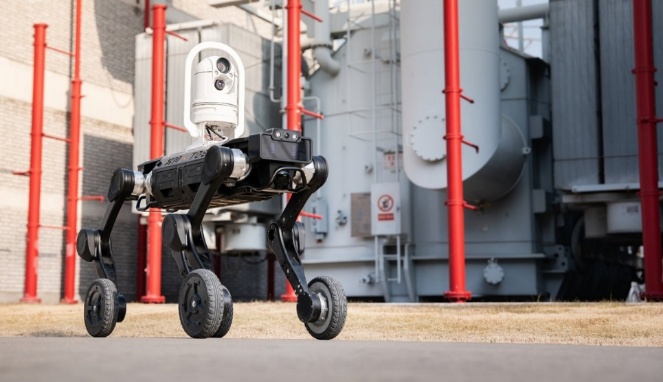
High-Hazard & Harsh Environments: High-voltage substations, oil & gas plants, mines, and other sites are filled with safety hazards, making manual inspection highly risky.
Robotics
Lenovo Daystar Embodied AI Robotics & Solution
Bringing Physical AI into the Real World to Build New Quality Productive Forces in Complex Environments
01 · Industry Pain Points
Industry Pain Points: When AI Meets the Complex "Real World"
While AI in the digital world has grown remarkably powerful, traditional automation in the physical world still faces severe limitations:
Complex Unstructured Terrains: Traditional wheeled/tracked robots and AGVs cannot cross stairs, slopes, steps, and narrow passages, leaving numerous inspection blind spots.
Repetitive & High-Intensity Labor: Heavy reliance on manual, repetitive, and tedious on-site labor leads to recruitment difficulties, high costs, and operational disruptions.
Core Customer Need: Customers are not looking to simply "buy a robot"; they need an intelligent productivity system capable of autonomously entering real-world environments, understanding the site, executing tasks reliably, and continuously evolving.
02 · Solution
Solution: Full-Stack Physical AI Architecture
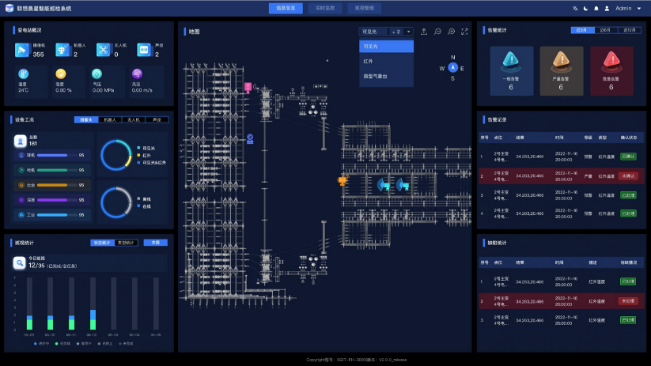
Lenovo has built a full-stack embodied AI system featuring robot hardware as the carrier, Physical AI as the foundation, and digital tools along with an end-to-end robotic inspection solution platform as the support, achieving a complete closed loop from perception to decision-making and execution:
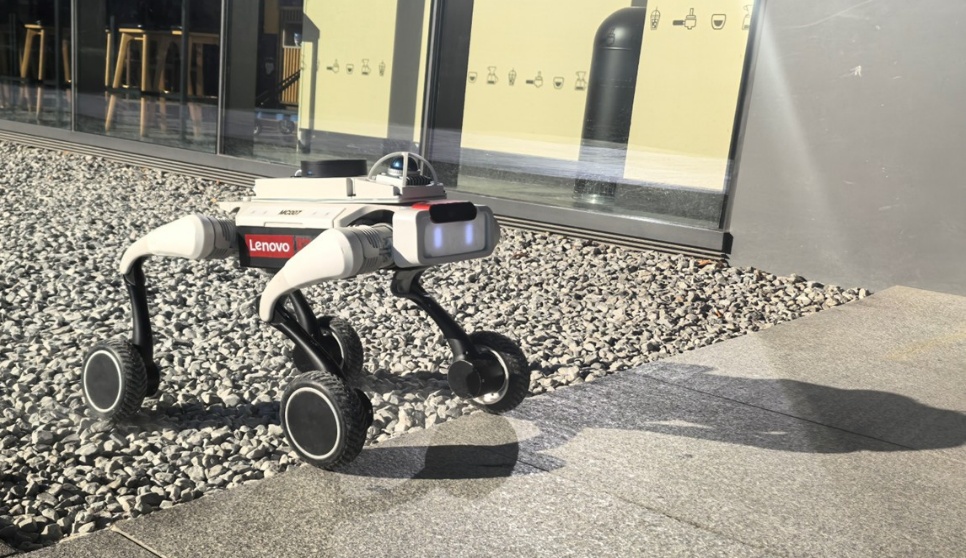
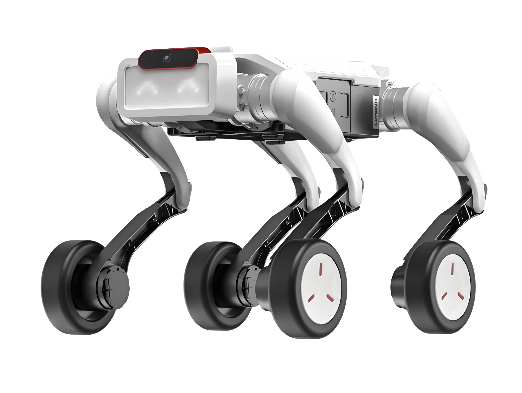
Multimodal Panoramic Perception: Integrates vision, LiDAR, infrared, gas, and acoustic sensors to precisely perceive complex field environments.
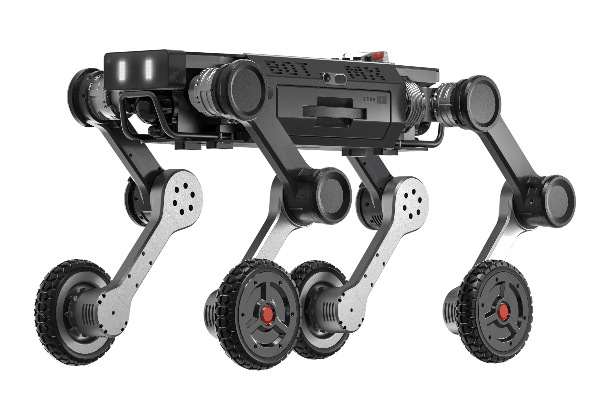
All-Terrain Autonomous Mobility: Effortlessly navigates stairs, slopes, gravel, and slippery surfaces, breaking through the boundaries of traditional automation.
End-to-End Business Closed Loop: Goes beyond mobility to autonomously plan paths, perform inspection/patrol/transportation tasks, execute AI anomaly detection, and deliver real-time alerts.
Data Flywheel for Continuous Evolution: Operational data continuously streams back to iterate models, making the robot "smarter with every use".
Flagship customer (CSG Power Grid Inspection): Upgraded from traditional manual O&M to 24/7 unmanned intelligent inspection, achieving full daily single-station coverage, boosting anomaly detection rates by over 80%, and reducing labor costs by 60%.
03 · Four Key Differentiators
Four Key Differentiators
01
Robot capability:
Complex Terrain Capability: Reinforcement learning (RL) fuses vision and terrain perception to stably handle demanding working conditions.
Centimeter-Level Precise Positioning: Combines SLAM, vision, and IMU to ensure high point-to-point arrival consistency for inspection tasks.
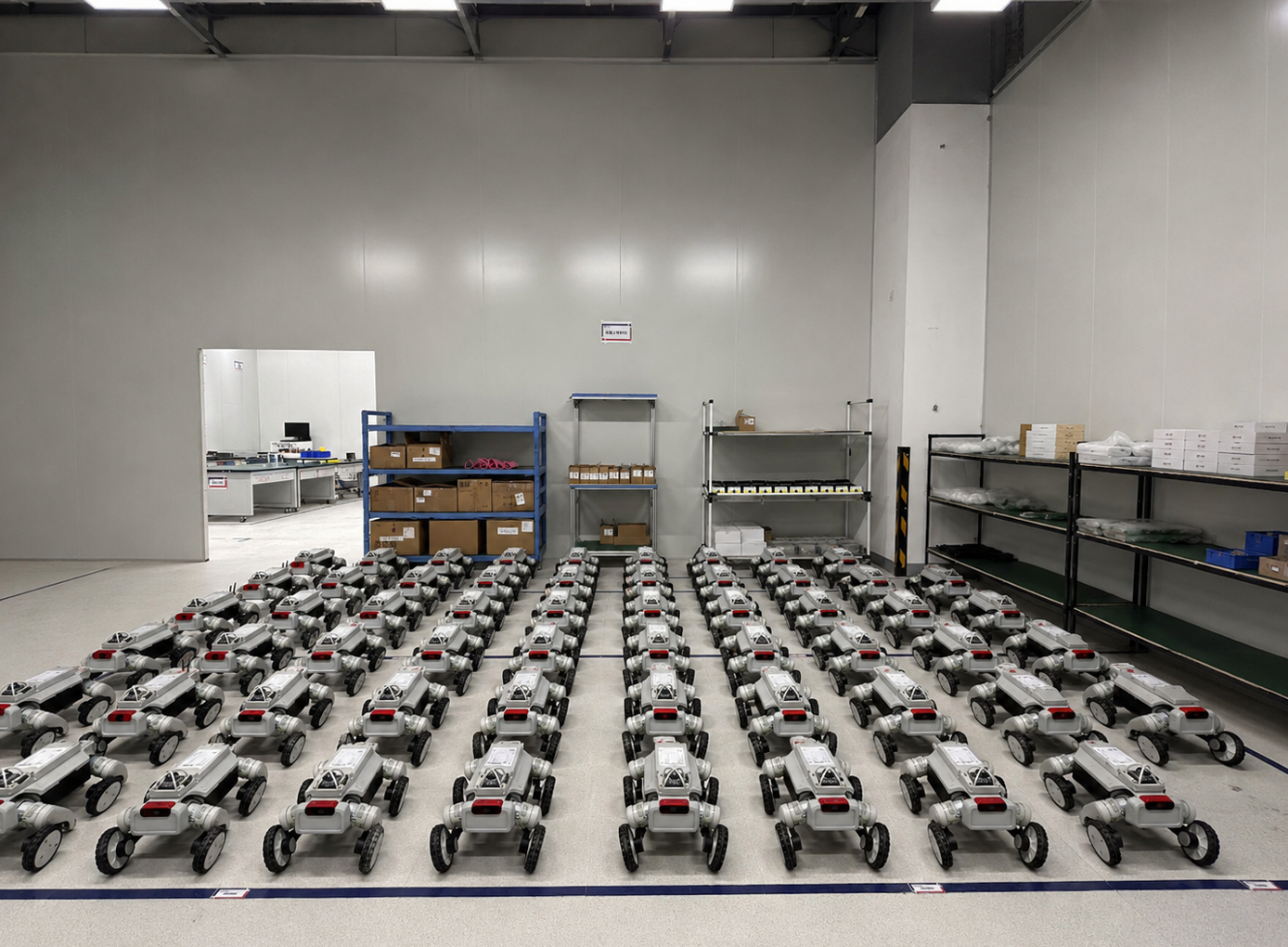
Industrial-Grade Reliability: Built on mass-production verification, passing rigorous factory tests including vibration, salt spray, airtightness, and dust/waterproofing.
02
Inspection capability:
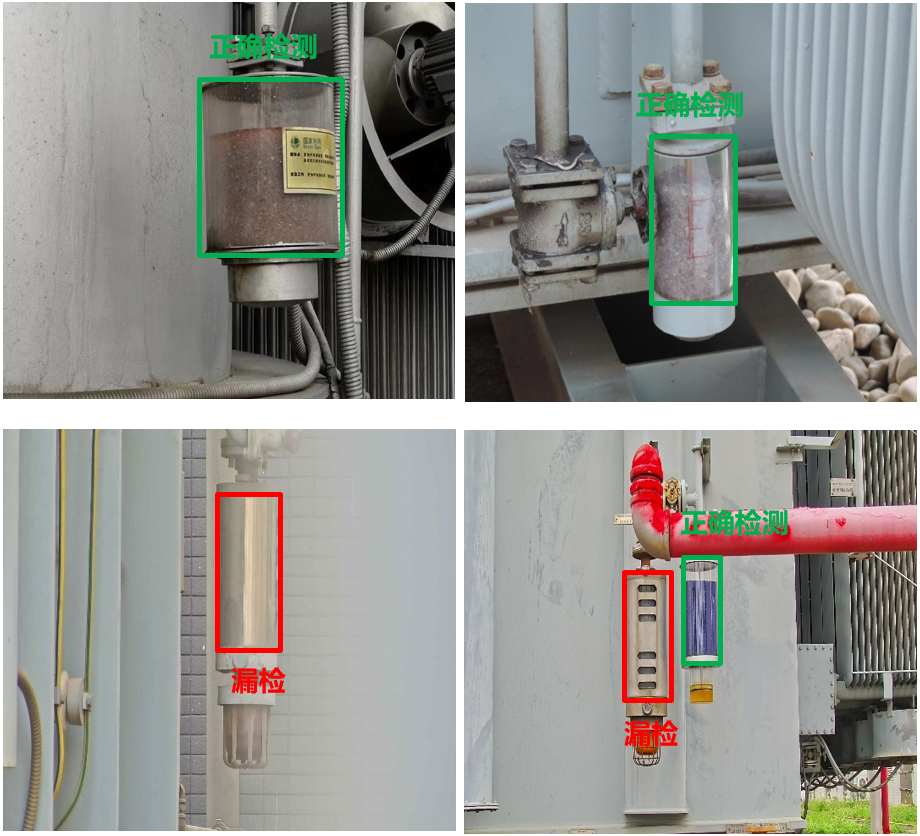
Industry-Leading Detection Accuracy: Accurately recognizes meter readings, equipment defects, and operational statuses, repeatedly winning first place in global AI challenges.
Deep Industry Know-How: Deployed in 50+ global projects, holding the #1 market share in China Southern Power Grid.
Authoritative Industry Certifications: Certified by State Grid Corporation of China and actively involved in formulating multiple national inspection robot standards.
03
Autonomy & Intelligence
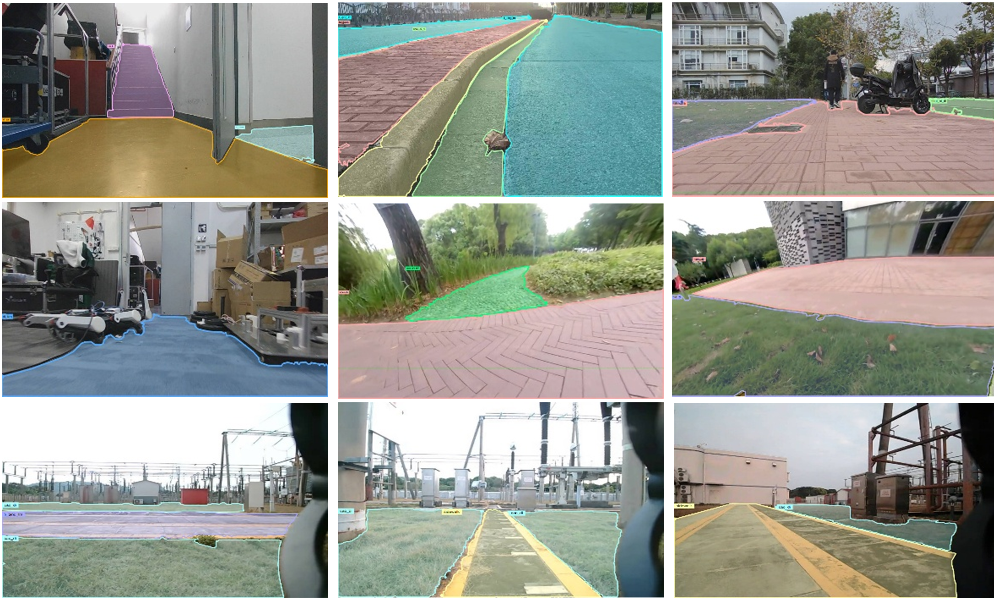
Semantic Navigation & Obstacle Avoidance: Supports real-time identification and rerouting in complex, dynamic environments for true "look-as-you-go" anticipatory mobility.
VLM/SAM Industrial Understanding: Leverages vision foundation models to detect equipment defects, resisting lighting interference while supporting rapid, few-shot adaptation.
Knowledge Engineering Accumulation: Establishes industry-specific knowledge bases to intelligently link assets, tasks, and anomaly handling rules.
04
Integration & Deployment;
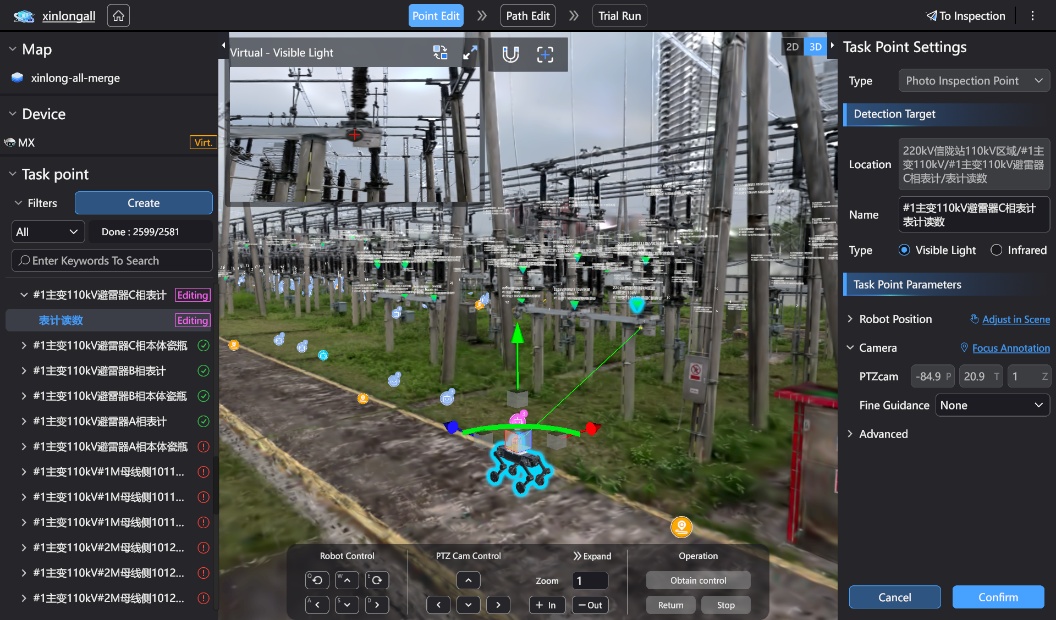
Comprehensive Product Toolchain: Enables environmental modeling, task configuration, and rapid on-site deployment; AI detection model development, management, and continuous optimization; as well as remote collaboration, anomaly verification, and a human-in-the-loop operational workflow.
Ultra-Fast Standardized Deployment: Leverages 3D virtual deployment and AI-driven automated planning to drastically reduce reliance on on-site experts and custom debugging.
04 · Why Lenovo
Why Lenovo
Guaranteed Delivery (Full-Stack In-House Development): Seamlessly integrates hardware and software to eliminate delivery risks associated with multi-vendor integration.
Actionable Value (Scenario-Driven): Verified across real-world industrial settings—including power grids, biopharmaceuticals, and smart parks—delivering direct business outcomes.
Efficient Scalability (Platformized Architecture): Standardized toolchains eliminate the need to "redevelop for every project," enabling rapid, large-scale replication.
Long-Term Sustainability (Top-Tier Ecosystem): Partners with leading universities (such as Tsinghua University, Shanghai Jiao Tong University, and the University of Edinburgh) to advance cutting-edge Embodied AI research, providing a powerful engine for long-term solution evolution.